

Meta Description: Explore how three wheel bikes with motors are revolutionizing urban mobility, addressing challenges faced by commuters and logistics professionals. Discover practical solutions and real-world applications.
—
The Evolution of Urban Mobility: Solving Modern Transportation Challenges
Urban transportation has undergone a significant transformation in recent years, driven by technological advancements, environmental concerns, and shifting commuter preferences. However, despite these changes, modern commuters, urban professionals, and delivery workers continue to face persistent challenges that hinder their daily operations. In this blog post, we’ll explore the key pain points associated with urban mobility, examine how three wheel bikes with motors and other electric vehicles provide effective solutions, and highlight real-world applications across various industries.
H2: Common Pain Points or Challenges
H3: High Commuting Costs
One of the most pressing issues for urban professionals is the escalating cost of commuting. Traditional modes of transportation, such as cars and public transit, often come with hidden expenses like fuel, parking fees, maintenance, and unpredictable fare hikes. For delivery workers and logistics personnel, these costs can quickly add up, eating into their already tight margins.
H3: Traffic Congestion
Traffic congestion remains a significant bottleneck in many cities worldwide. Commuters waste countless hours stuck in traffic jams, leading to lost productivity and increased stress levels. Delivery drivers, in particular, face the added challenge of meeting tight deadlines while navigating crowded streets.
H3: Inconsistent Public Transport
Public transportation systems, although environmentally friendly, are not without their flaws. Delays, overcrowding, and limited coverage areas make it difficult for commuters to rely on buses and trains consistently. This inconsistency forces many urban dwellers to seek alternative transportation methods.
H3: Environmental Pressures
As cities grow, so does the strain on the environment. Emissions from traditional vehicles contribute significantly to air pollution and greenhouse gas emissions. Governments and businesses are increasingly prioritizing sustainability, pushing for more eco-friendly transportation options. Meeting these environmental pressures while maintaining operational efficiency is a balancing act that many organizations struggle with.
—
H2: Practical and Technical Solutions
To address these challenges, innovative solutions like three wheel bikes with motors and electric scooters have emerged as viable alternatives. These vehicles offer a range of benefits tailored to the needs of urban professionals and delivery workers.
H3: Range and Motor Power
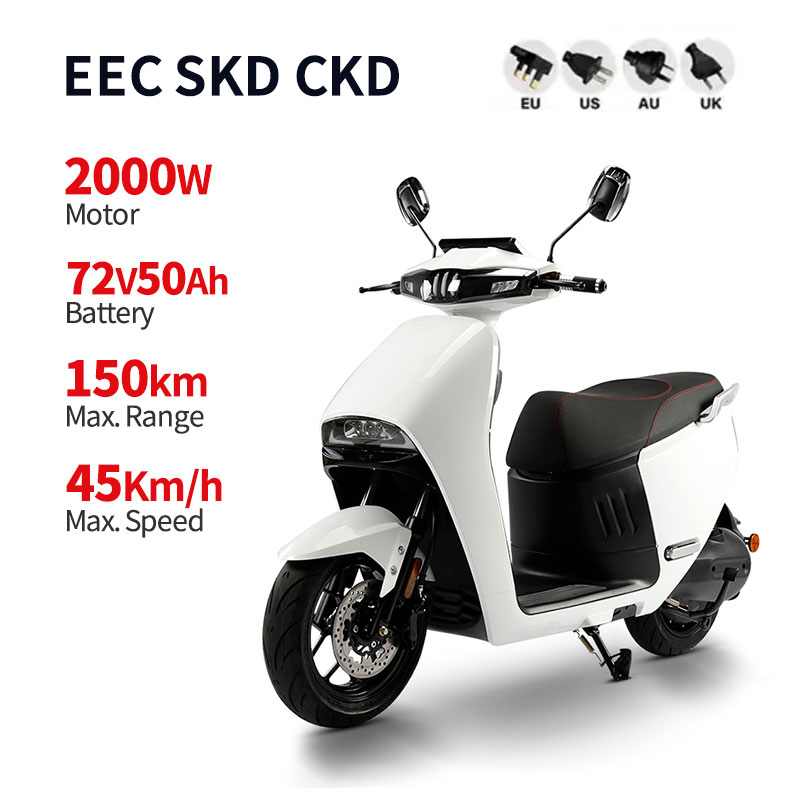
Modern electric scooters, including three wheel bikes with motors, are designed to meet the demands of daily commutes and deliveries. A typical scooter boasts a range of 20–50 miles per charge, making it suitable for short-to-medium distance trips. The motor power varies depending on the model, with some offering up to 500W of power for faster acceleration and smoother rides.
H3: Charging Speed and Battery Capacity
Battery technology has advanced significantly, allowing for quicker charging times and longer-lasting performance. Many high-end models can be fully charged in under four hours, ensuring minimal downtime between uses. Additionally, larger battery capacities enable users to travel further without needing frequent recharges, enhancing convenience and reliability.
H3: Smart App Integration
Another standout feature of modern electric scooters is their smart app integration. Users can monitor battery levels, track usage statistics, and even lock/unlock their scooters remotely through intuitive smartphone apps. Some apps also provide navigation assistance, helping riders find the most efficient routes and avoid traffic congestion.
H3: Stability and Comfort
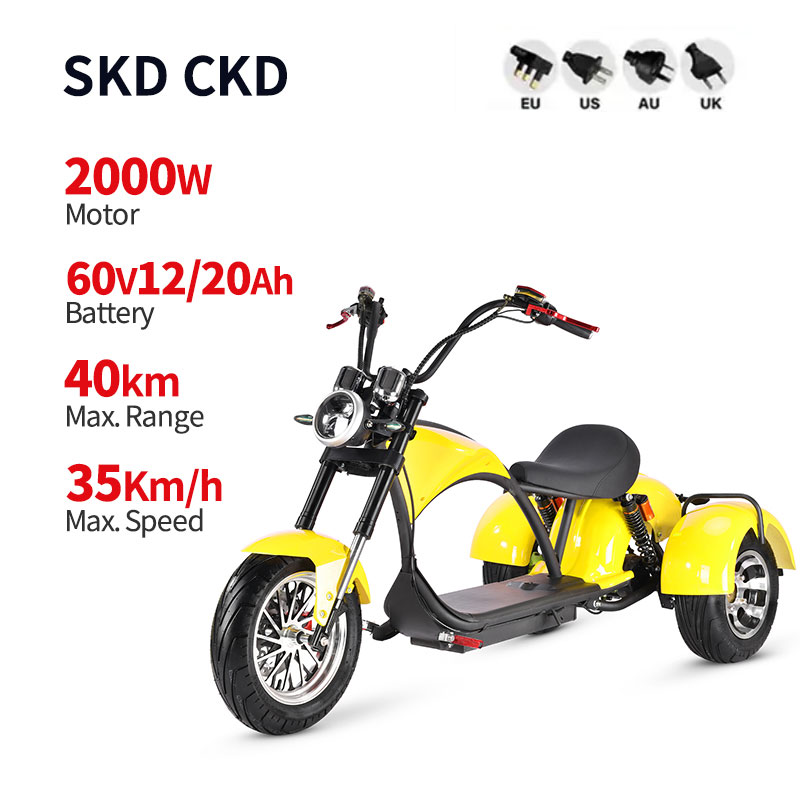
For those seeking enhanced stability, three wheel bikes with motors are an excellent choice. These vehicles provide better balance compared to traditional two-wheel scooters, making them ideal for uneven terrains or inexperienced riders. Their ergonomic designs prioritize comfort, reducing fatigue during long commutes or extended delivery runs.
—
H2: Real-World Applications
The versatility of electric scooters, particularly three wheel bikes with motors, makes them applicable across various industries. Below are some examples of how these vehicles are being utilized to improve efficiency, reduce costs, and support environmental goals.
H3: Commuting
Urban professionals are increasingly turning to electric scooters for their daily commutes. These vehicles offer a convenient way to navigate busy city streets, bypassing traffic congestion and reaching destinations faster than cars or public transport. Moreover, their compact size allows for easy storage, eliminating the need for costly parking spaces.
H3: Urban Delivery
Delivery services, such as food and package couriers, have embraced electric scooters due to their speed and agility. Companies like UberEats and DoorDash rely heavily on these vehicles to ensure timely deliveries within urban areas. Three wheel bikes with motors, in particular, provide additional cargo space and stability, making them perfect for transporting larger items.
H3: Campus Logistics
Universities and corporate campuses are adopting electric scooters to streamline internal logistics. These vehicles help transport goods, documents, and personnel across expansive grounds efficiently. Their quiet operation and zero-emission capabilities align perfectly with campus sustainability initiatives.
H3: Last-Mile Connectivity
In many cities, public transportation fails to cover the last mile – the final leg of a journey from a station or stop to the ultimate destination. Electric scooters fill this gap by providing a seamless connection between public transit hubs and end points. This enhances overall accessibility and encourages greater adoption of sustainable transportation methods.
H3: Supporting ESG Goals
Enterprises committed to Environmental, Social, and Governance (ESG) principles are leveraging electric scooters to reduce their carbon footprint. By integrating three wheel bikes with motors into their fleets, companies demonstrate their dedication to sustainability while simultaneously improving operational efficiencies.
—
H2: Conclusion and CTA
Electric scooters, especially three wheel bikes with motors, represent a transformative shift in urban mobility. They tackle the common pain points faced by modern commuters, urban professionals, and delivery workers by offering cost-effective, efficient, and eco-friendly solutions. From enhancing commuting experiences to optimizing logistics operations, these vehicles play a crucial role in shaping the future of transportation.
If you’re looking for a trusted, smart, and stylish option for your urban mobility needs, consider ModernFox electric scooters. Renowned for their cutting-edge technology, sleek design, and exceptional performance, ModernFox products set the benchmark for quality and innovation. Whether you’re a professional navigating bustling city streets or a business aiming to achieve its ESG objectives, ModernFox has a solution tailored just for you.
Take the first step towards revolutionizing your transportation strategy. Explore the full range of ModernFox electric scooters today and experience the freedom and efficiency they bring to your daily life.